As technology has advanced, we have become able to communicate with others online and satisfy certain desires through digital means. Yet the need for physical presence and embodied connection has not disappeared. If anything, it remains unresolved, accumulating beneath the surface. The desire to connect with others — to touch, to feel — persists, and one of its destinations today is the dating app.
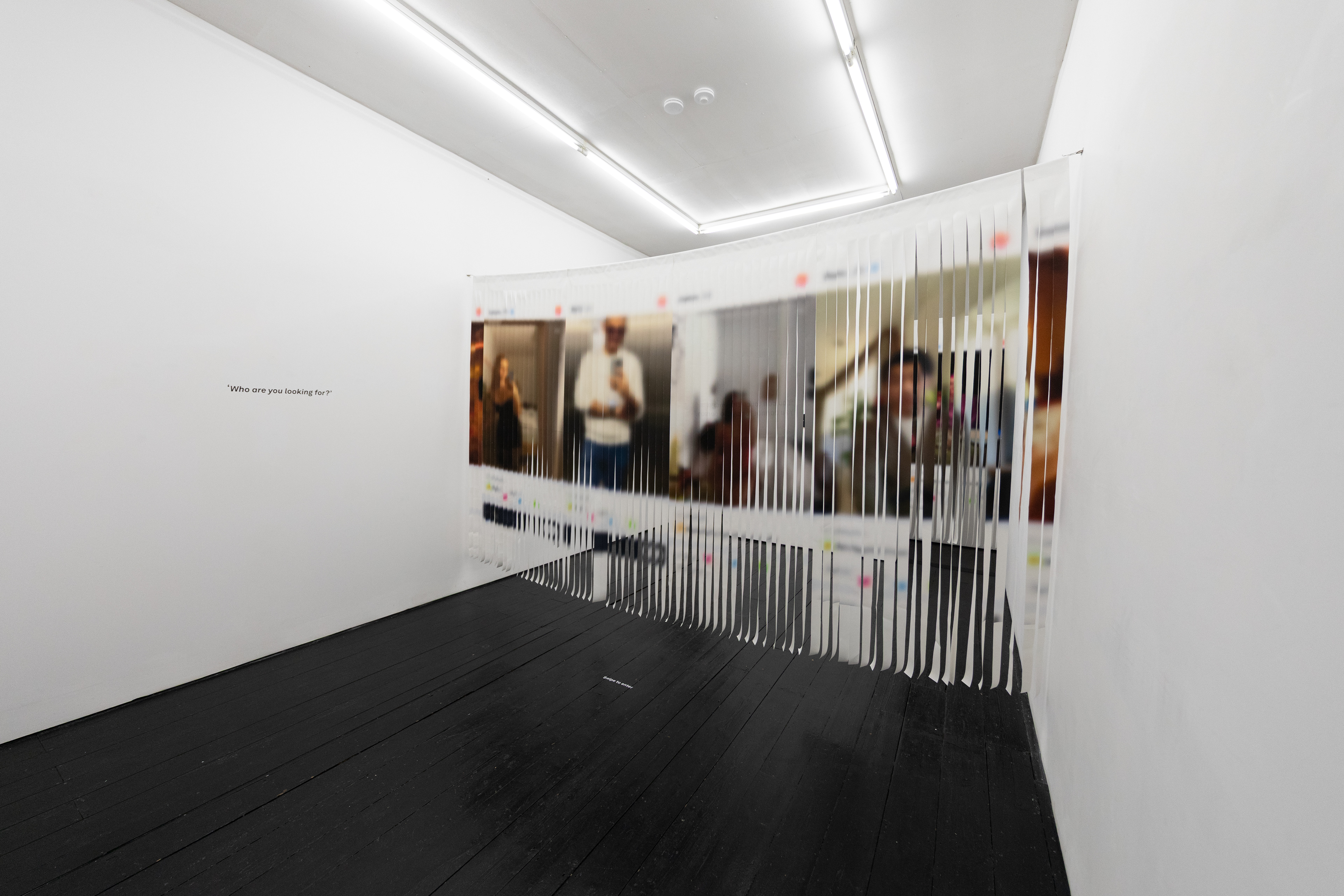
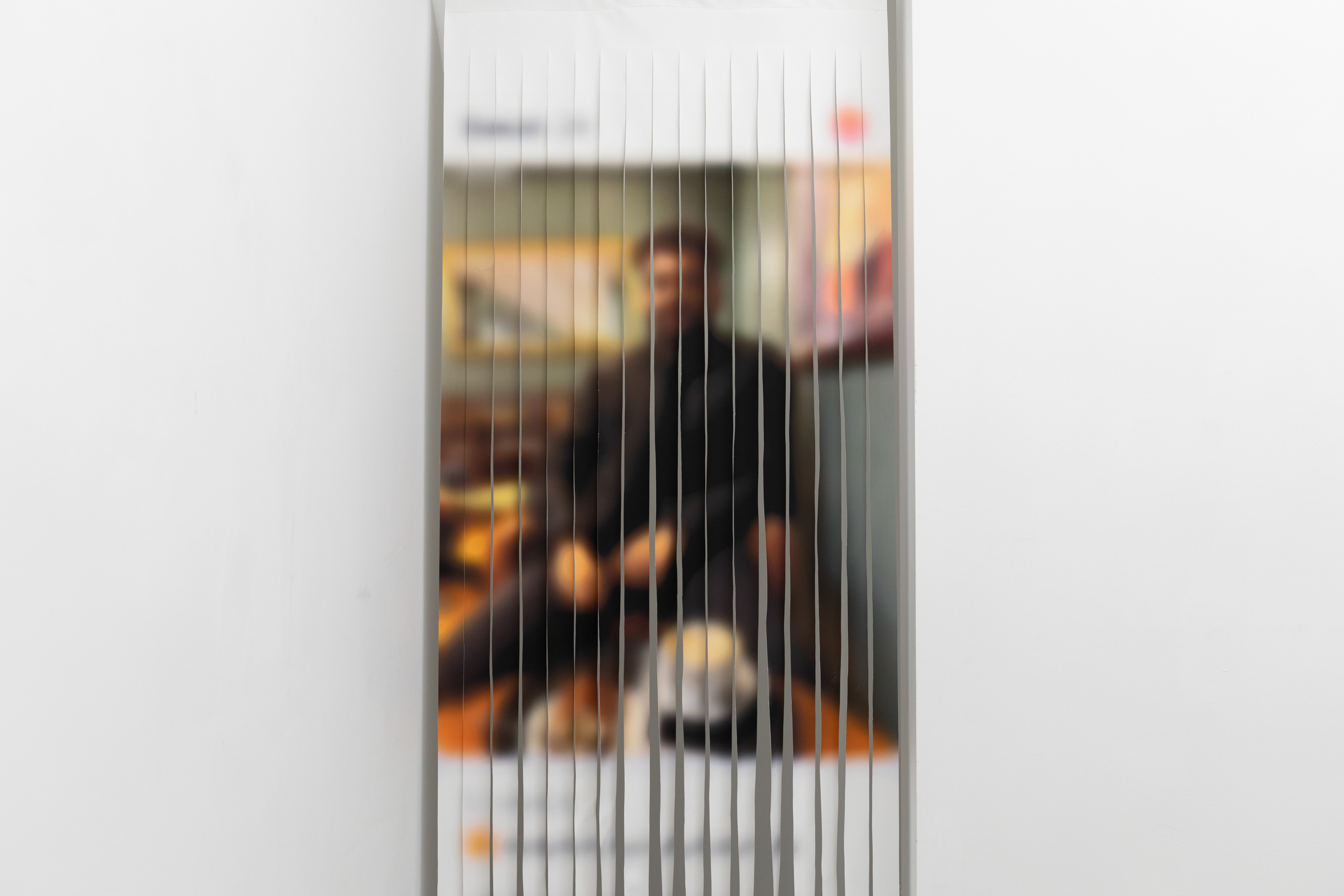
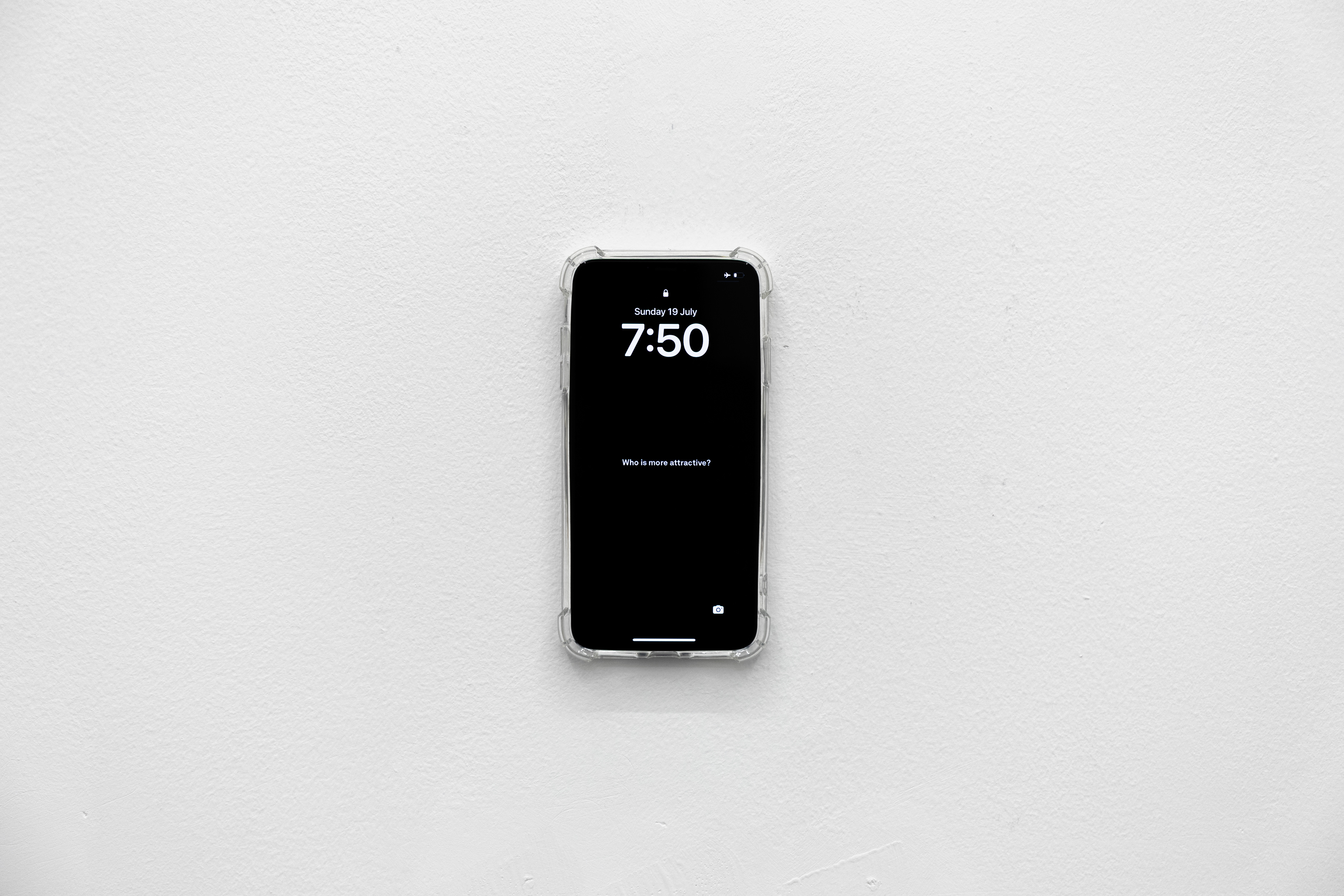
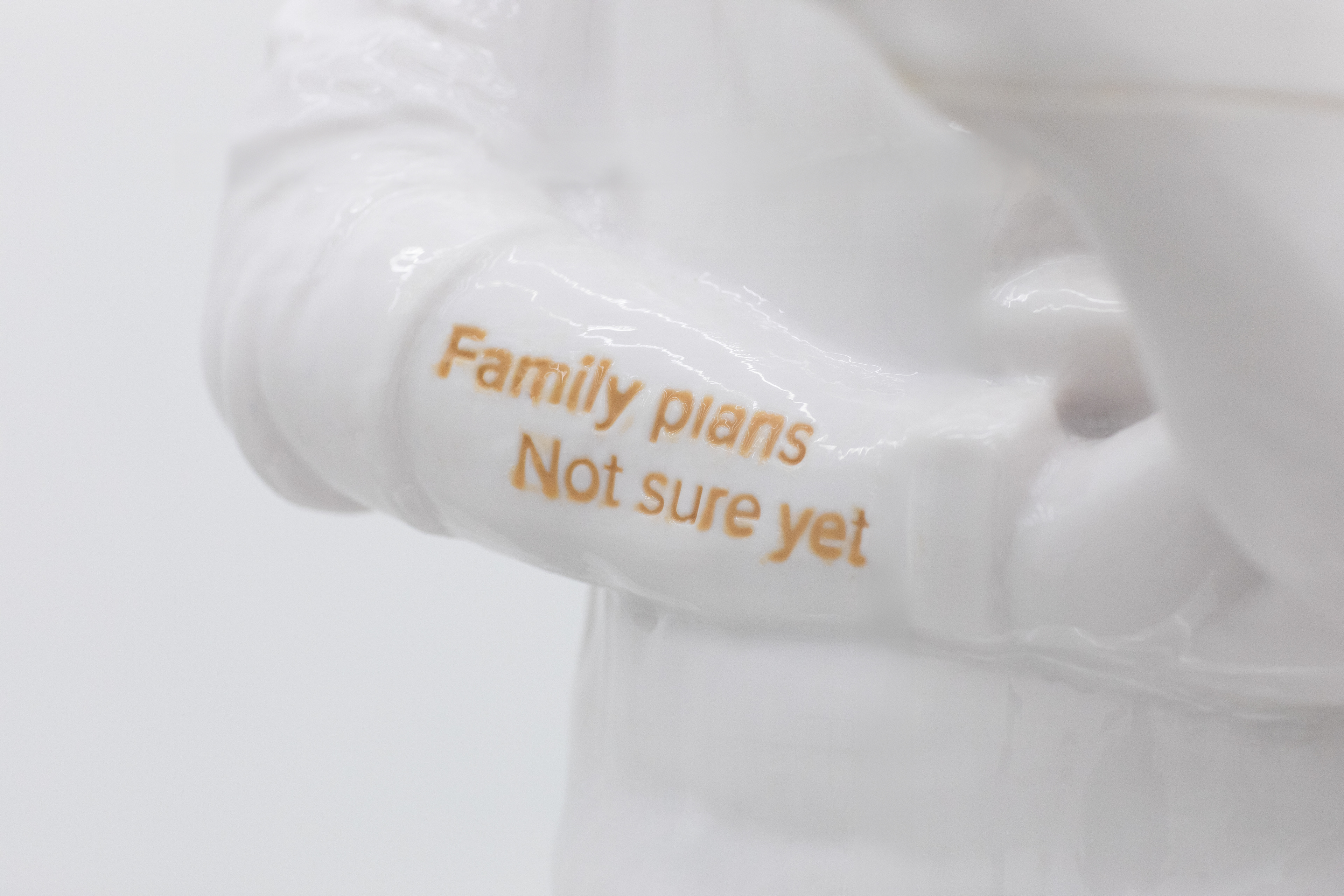
On dating apps, however, we do not encounter others themselves, but rather images and fragments of information. From these, we imagine a person and project expectations, yet what we are given online is never the person’s actual body. Photography functions as an infrastructural tool for presenting others, while remaining only a collection of partial data that explains nothing. A gap inevitably emerges between the online image and lived reality.
At first glance, dating apps appear to be spaces of diversity, presenting a wide range of ages, races, genders, sexual orientations, and cultural or geographical contexts. Differences in facial features, icons, clothing, and photographic styles reveal how local cultures are embedded within global platforms. Yet this diversity simultaneously produces strong homogenisation and hierarchy. Visual judgement and lookism are structurally embedded, and the swipe reduces complex individuals to instantaneous decisions based on appearance alone.
The images presented are rarely the person themselves, but rather a carefully constructed version of who they wish to be seen as — filtered, edited, and staged. The world of dating apps thus exists somewhere between reality and fiction: an embellished, fabricated space built from images.
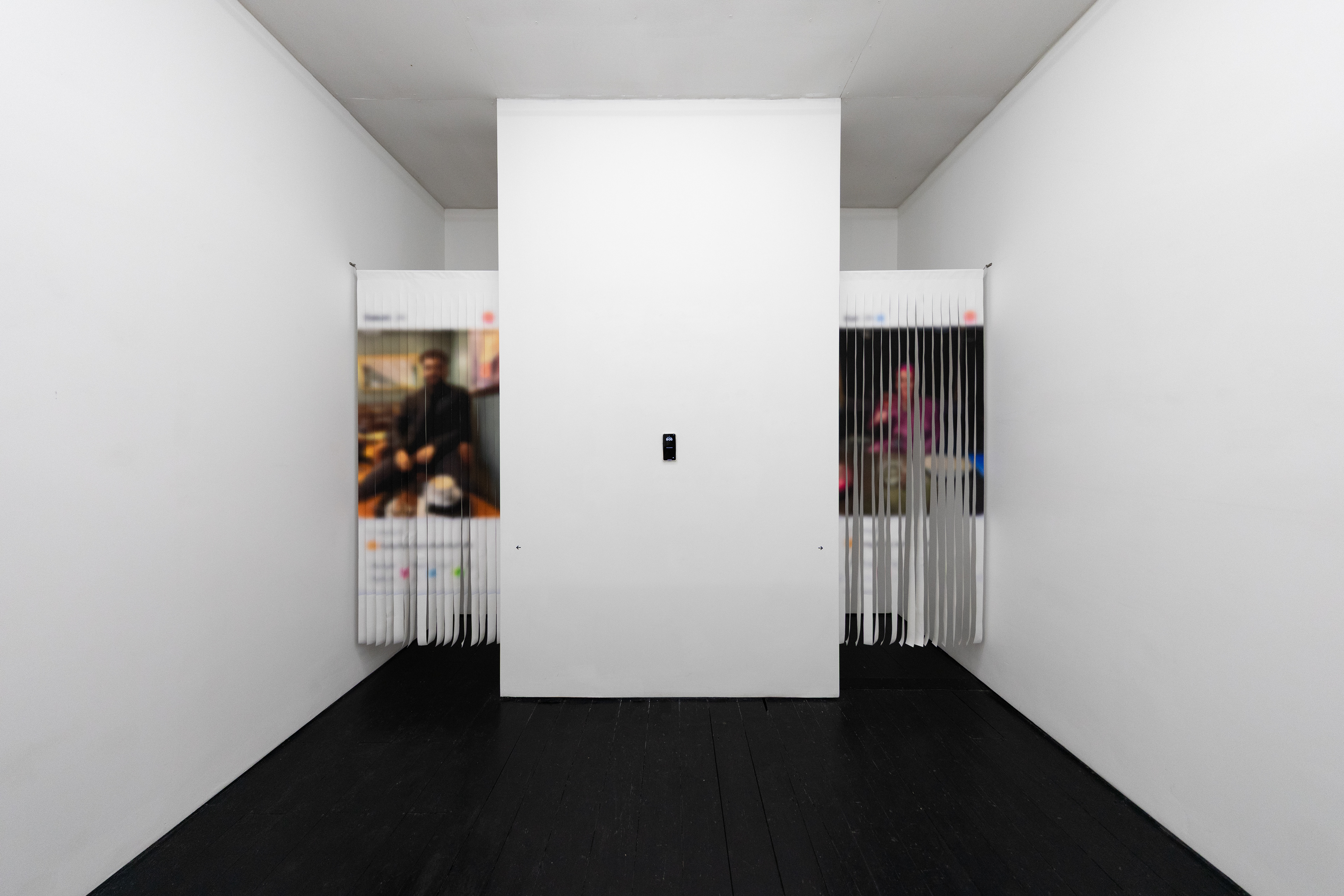
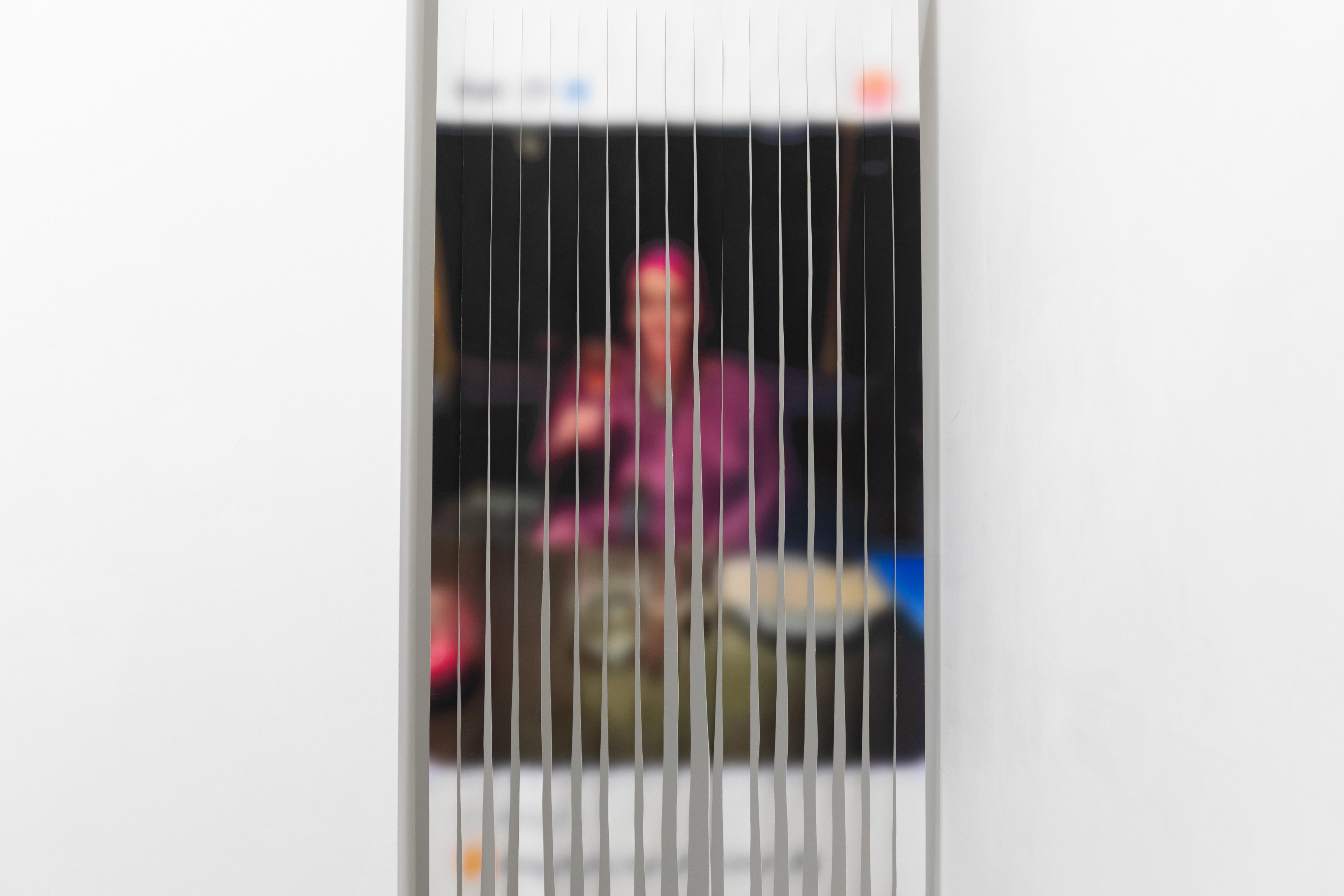
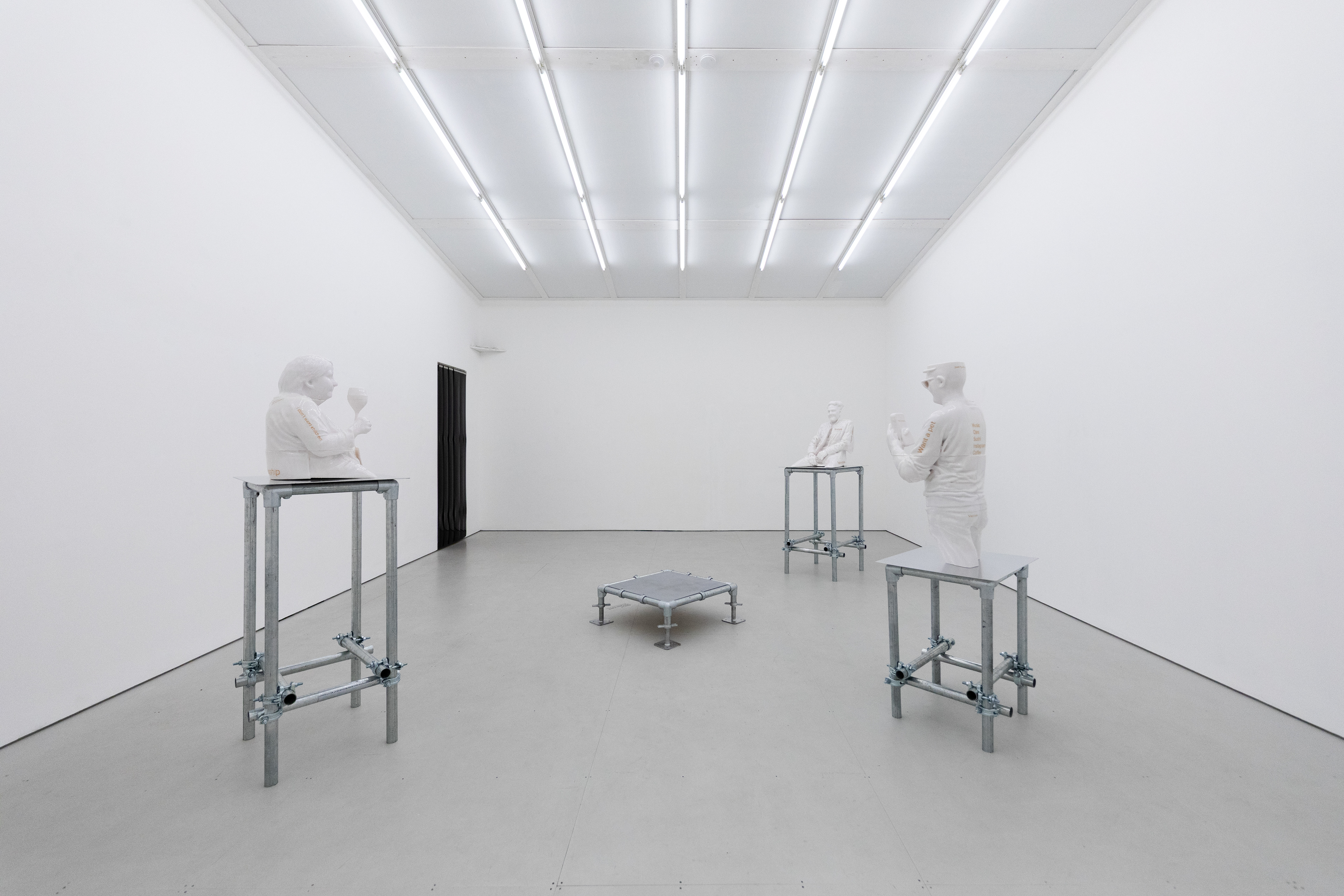
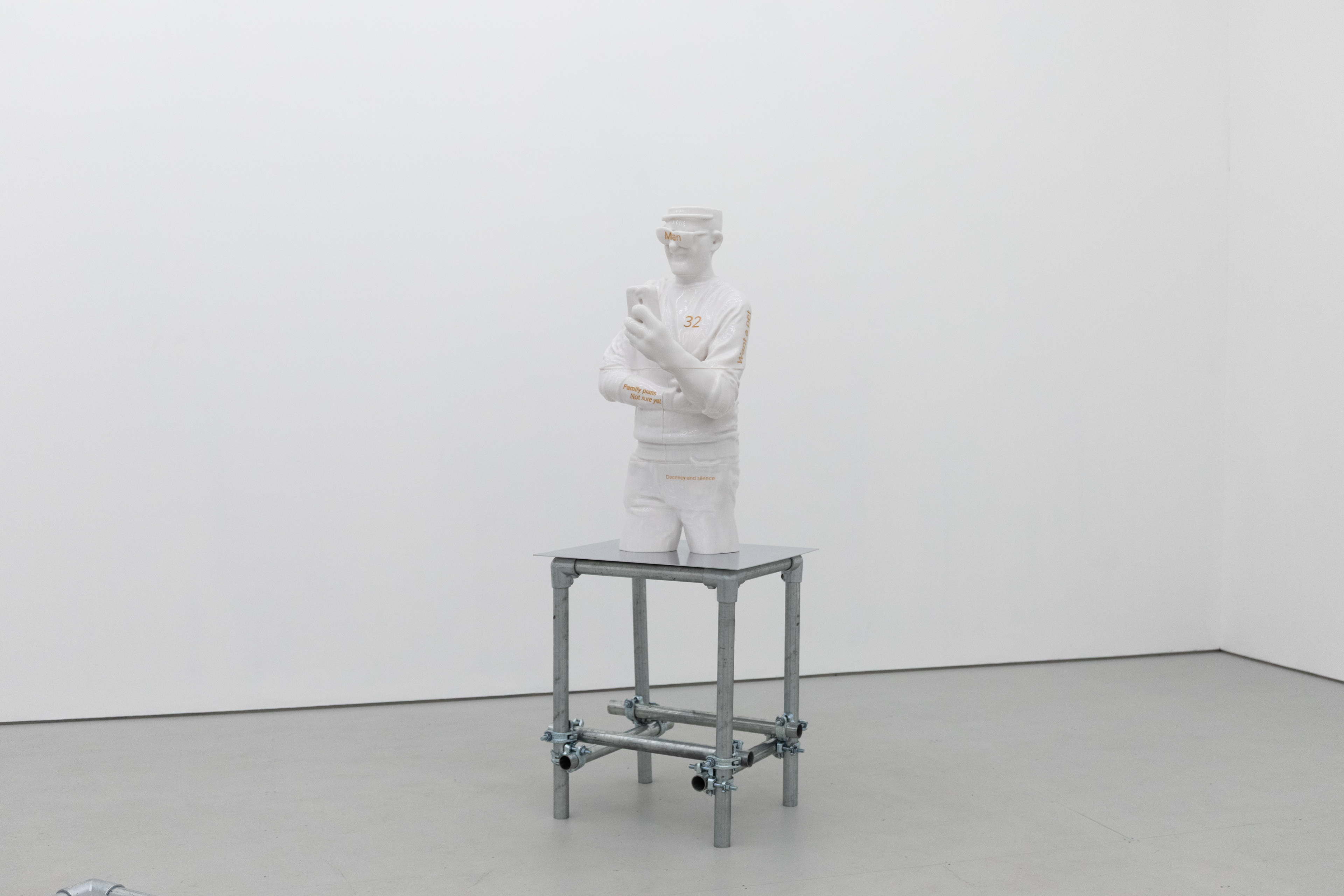
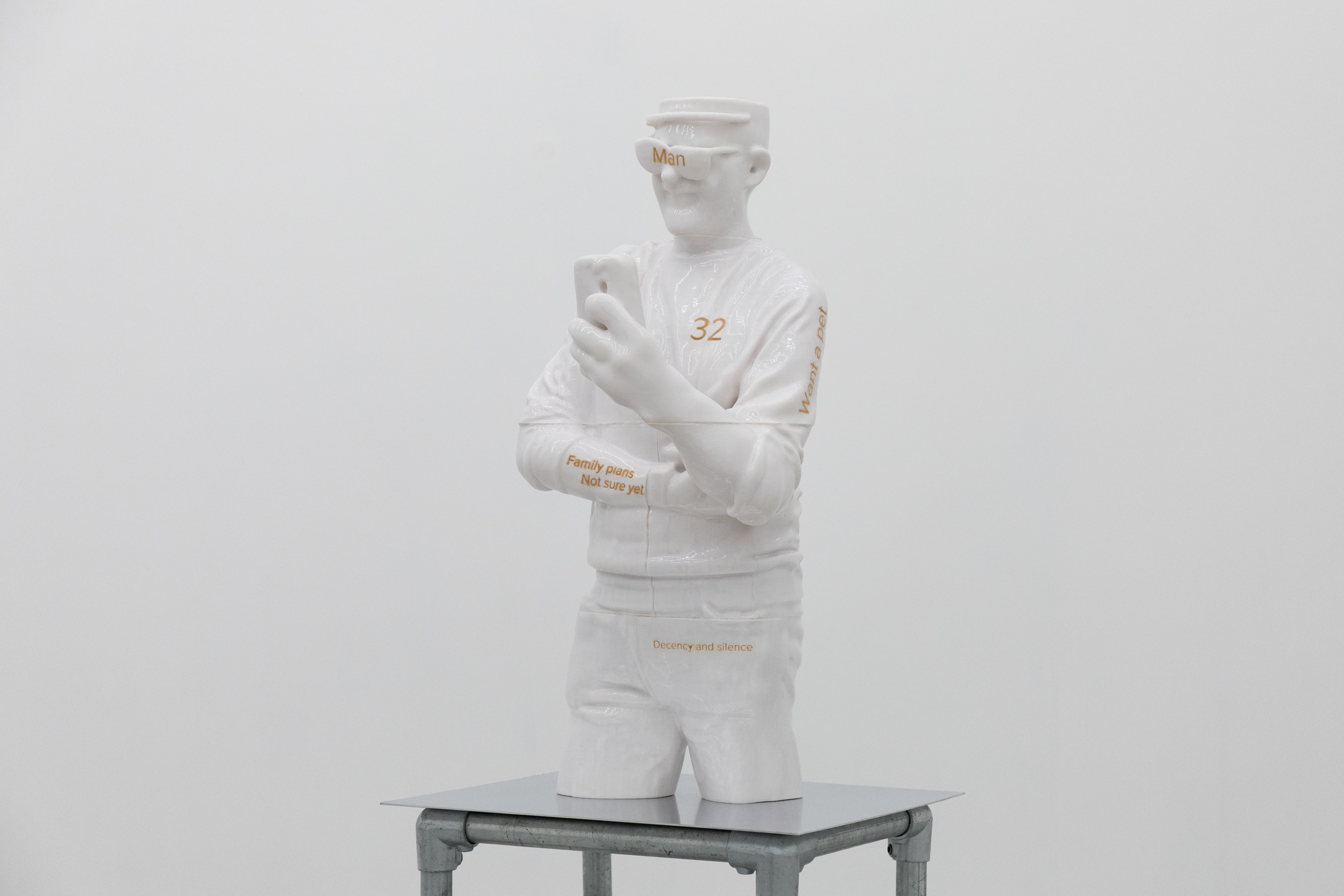
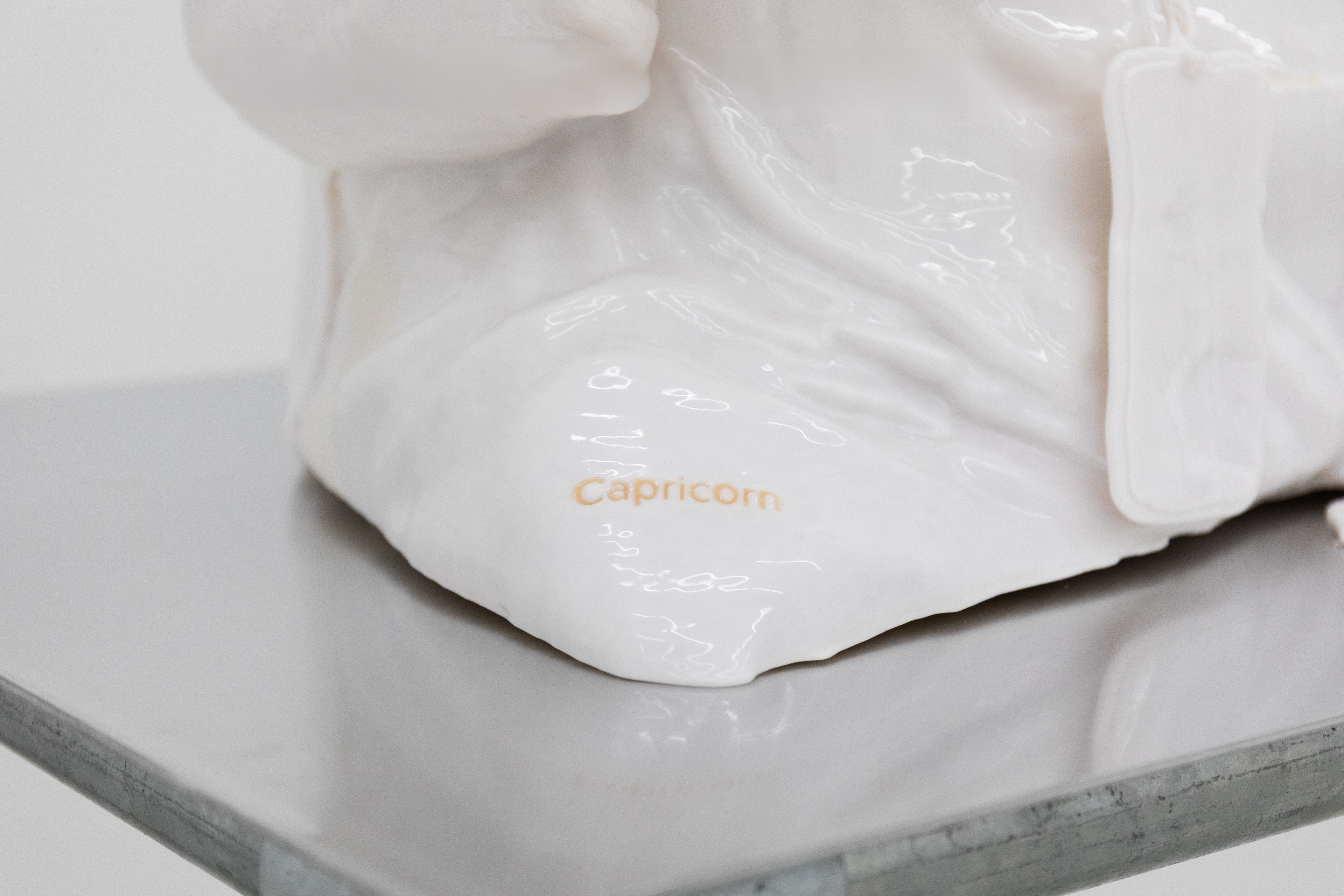
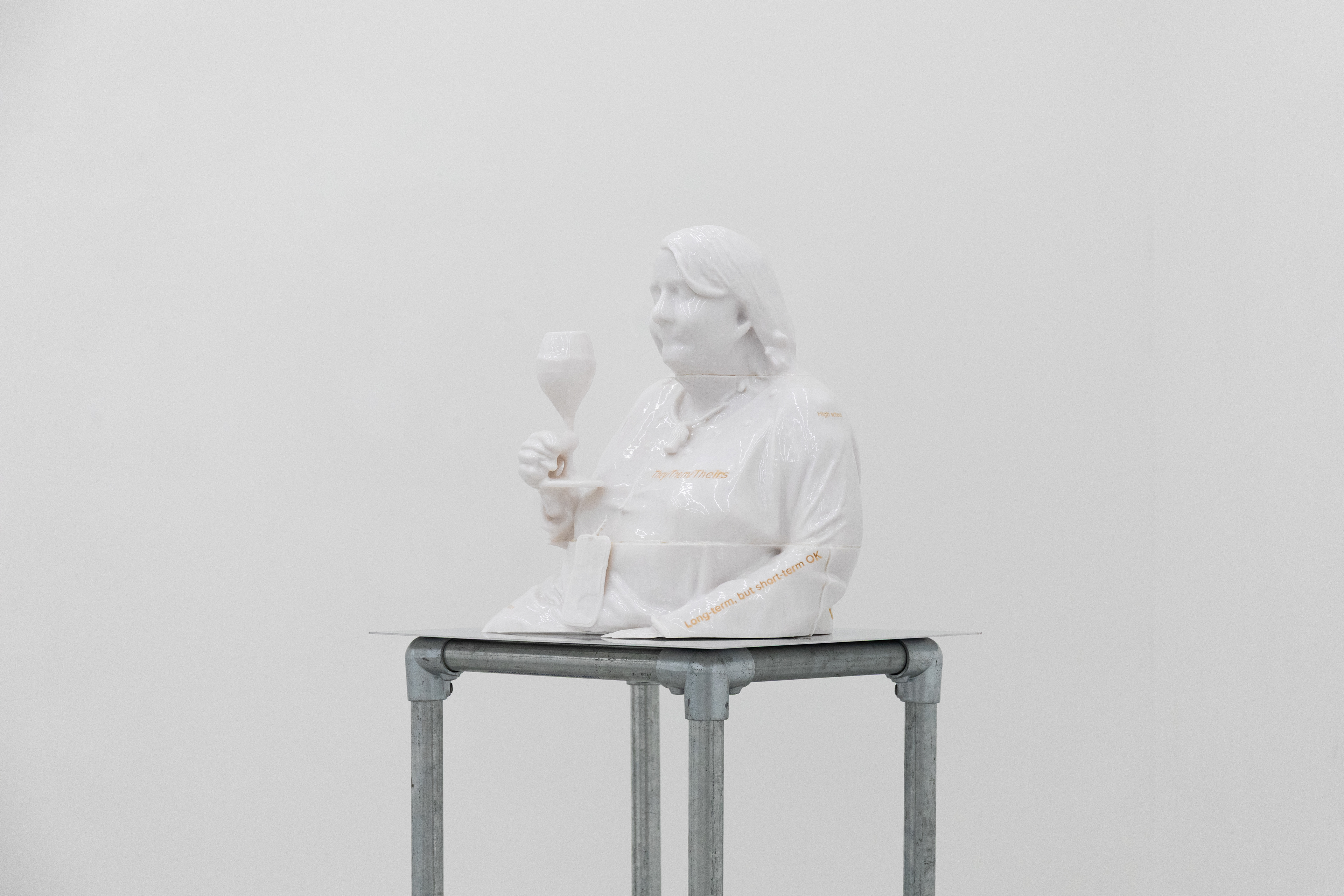
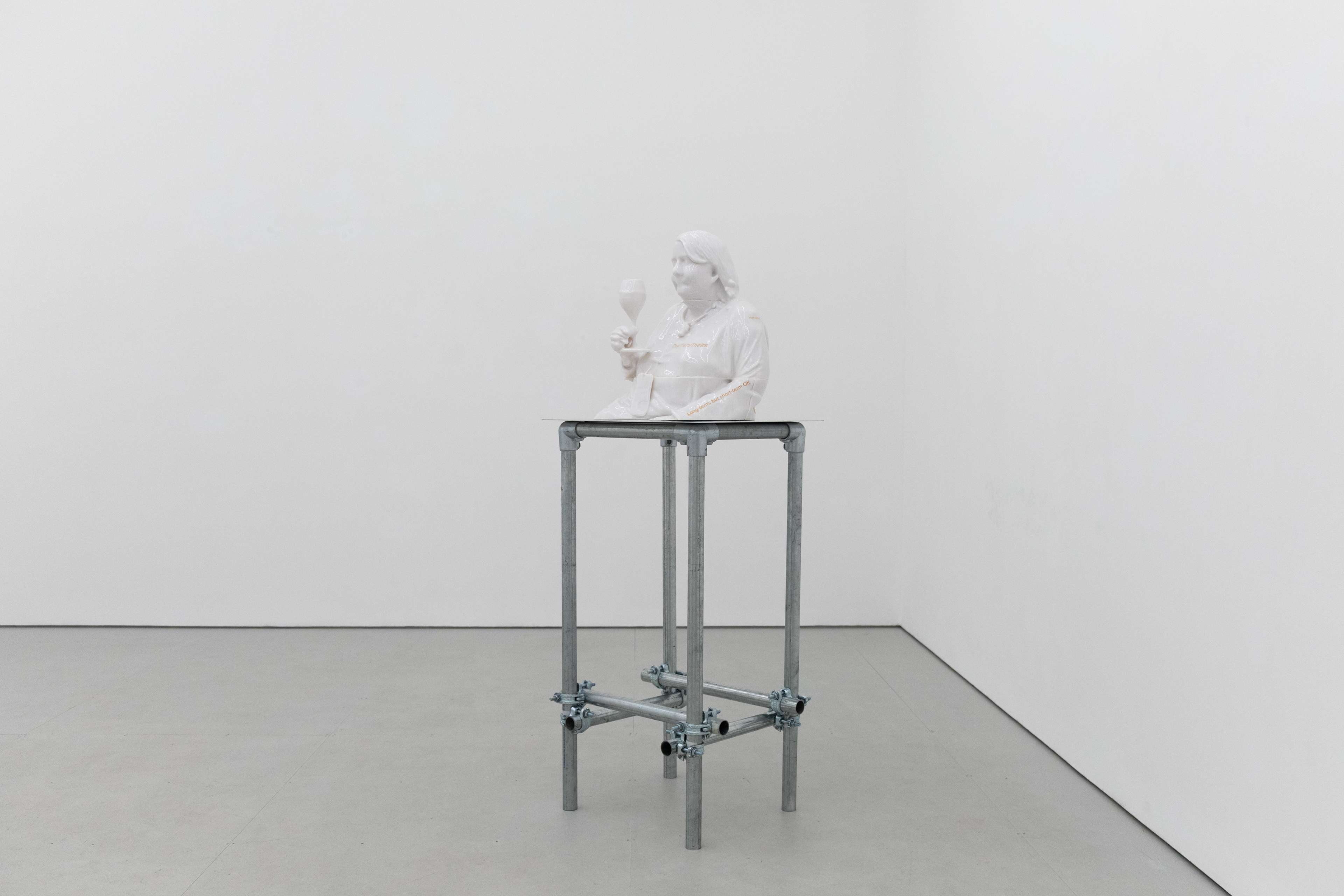
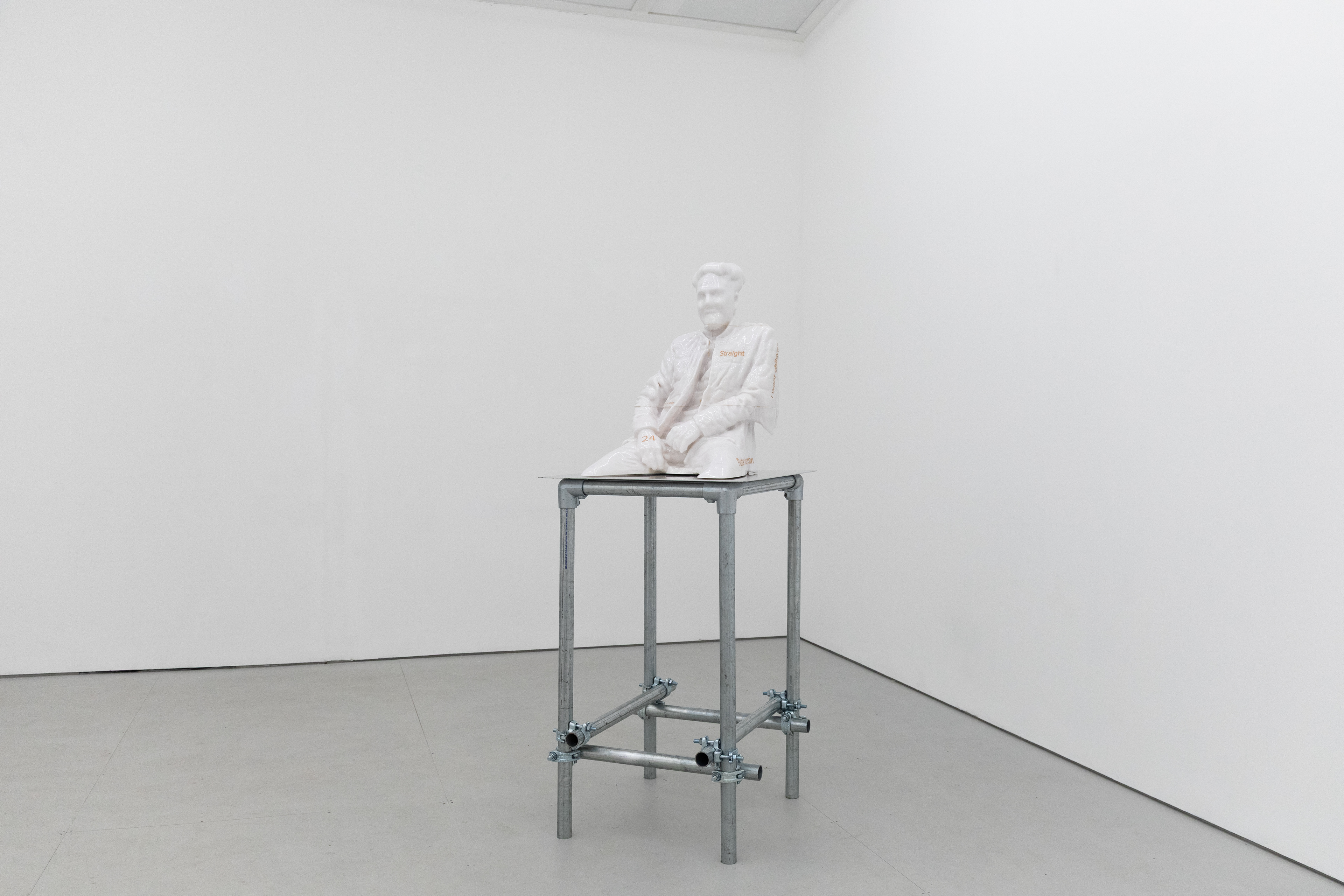
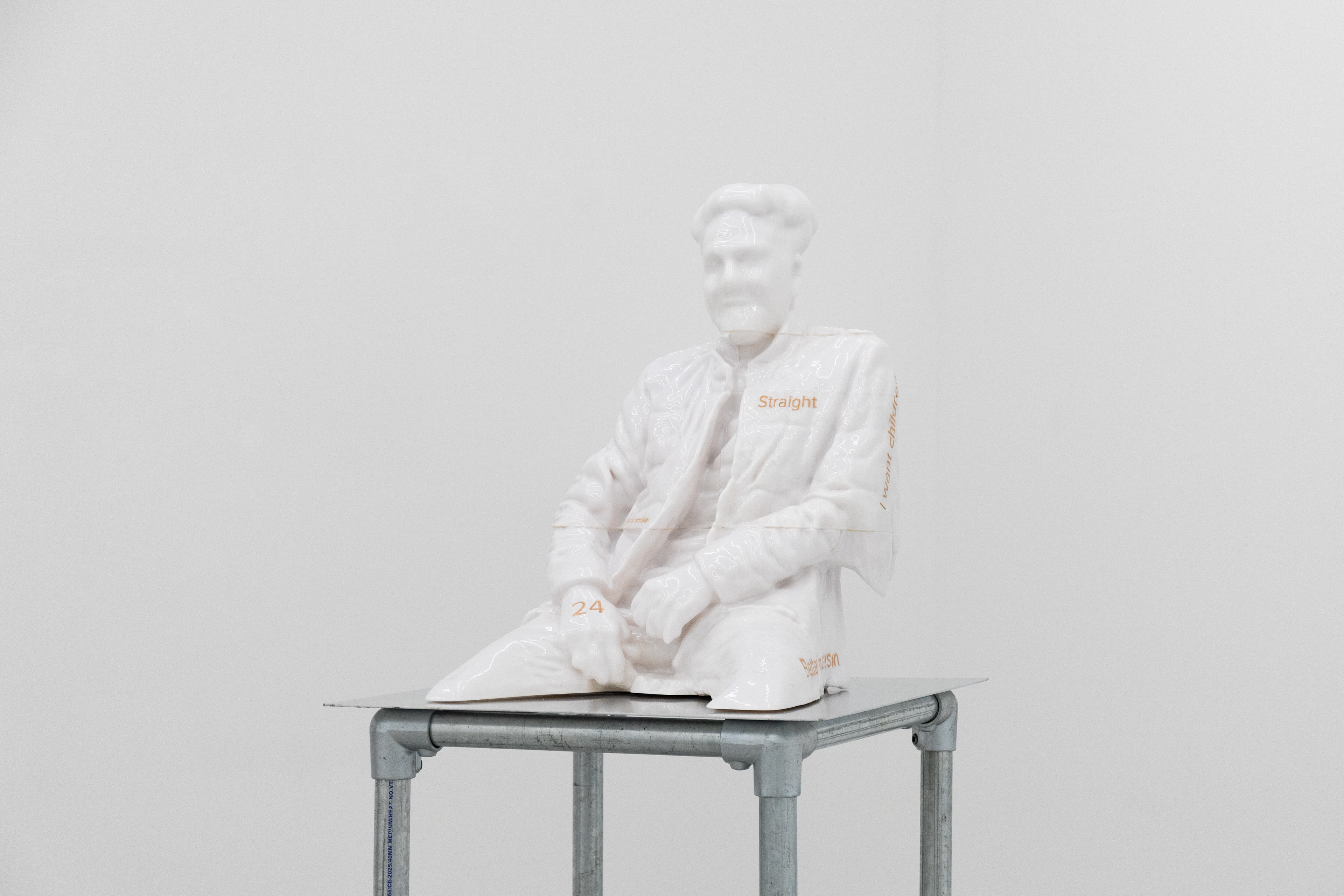
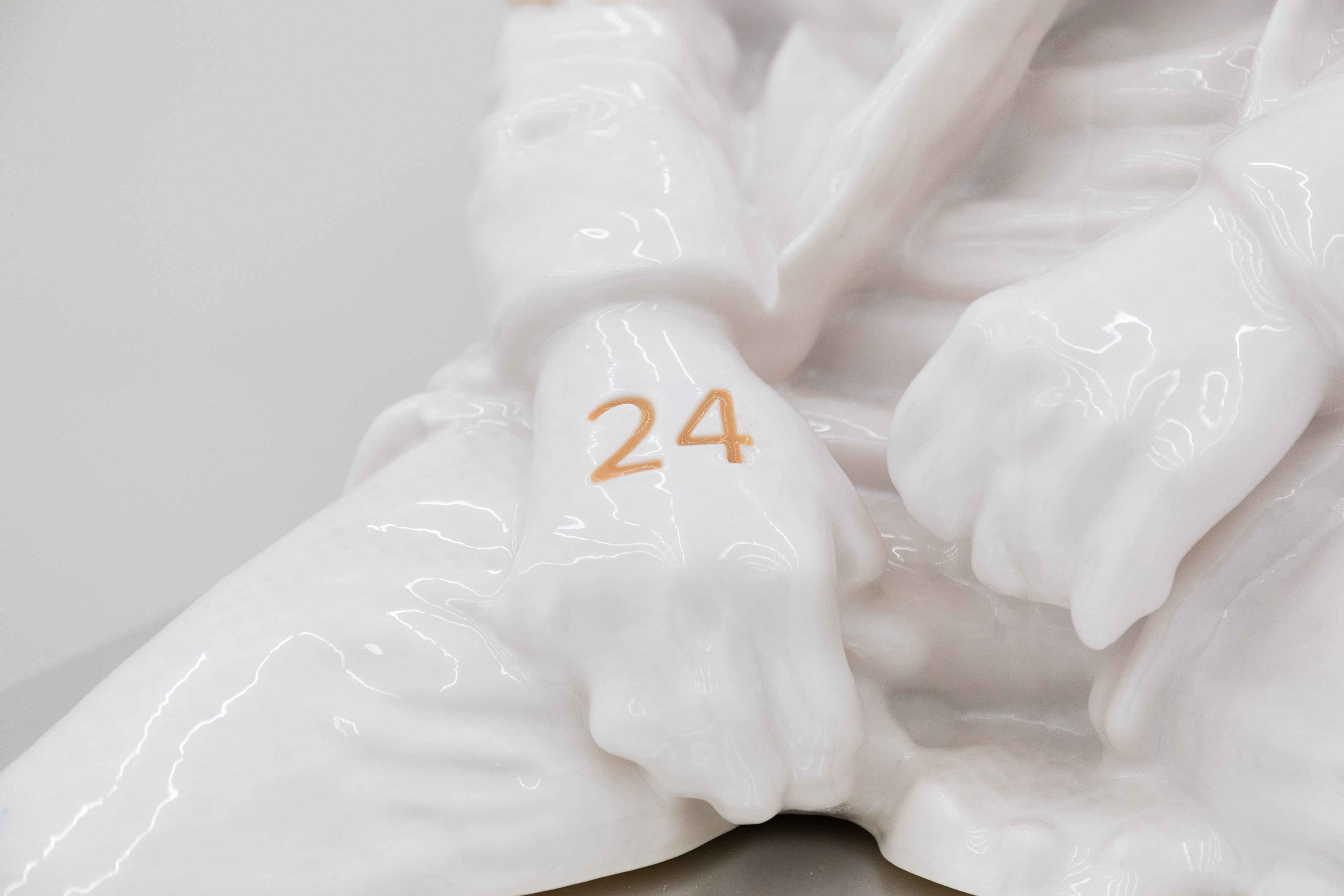
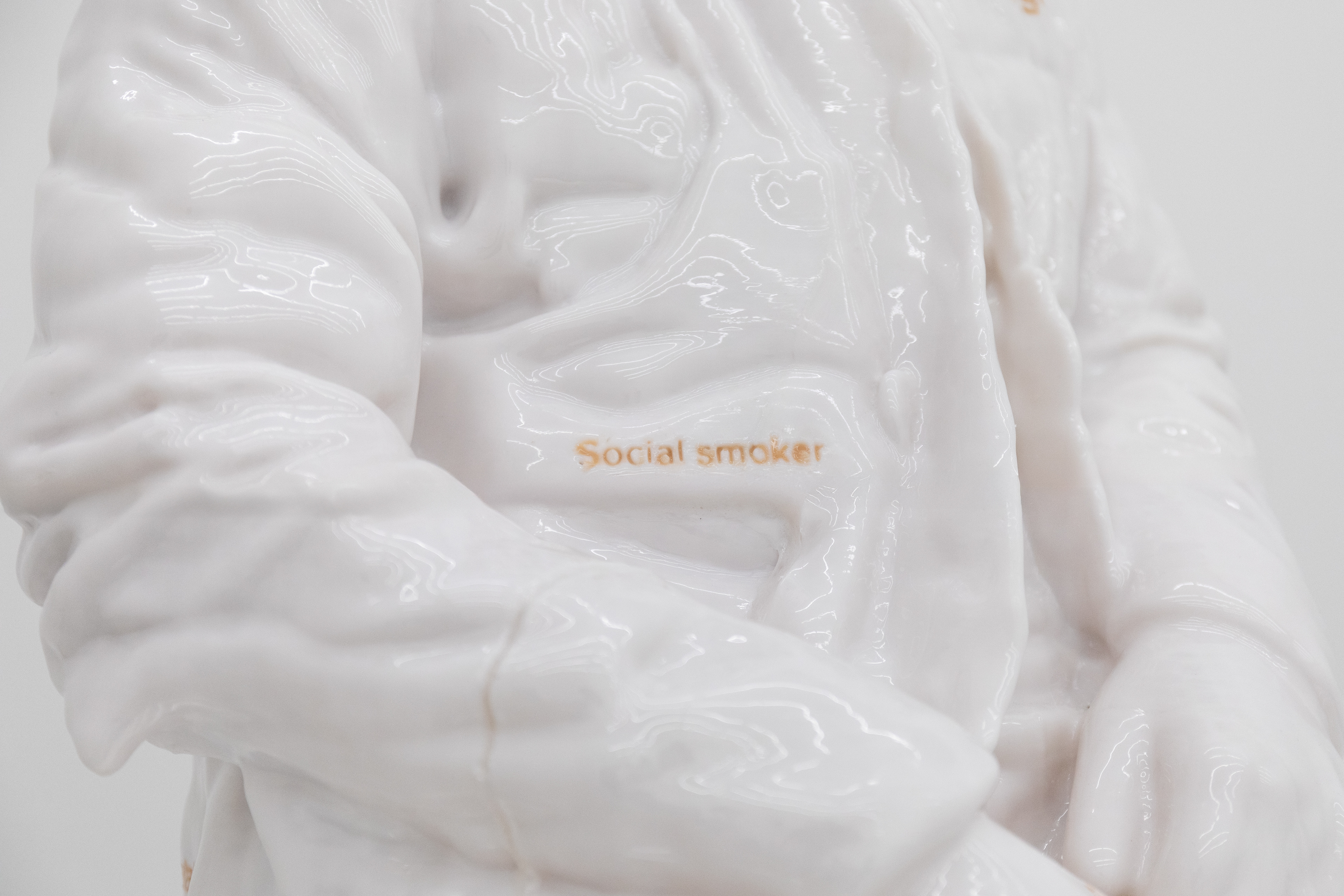
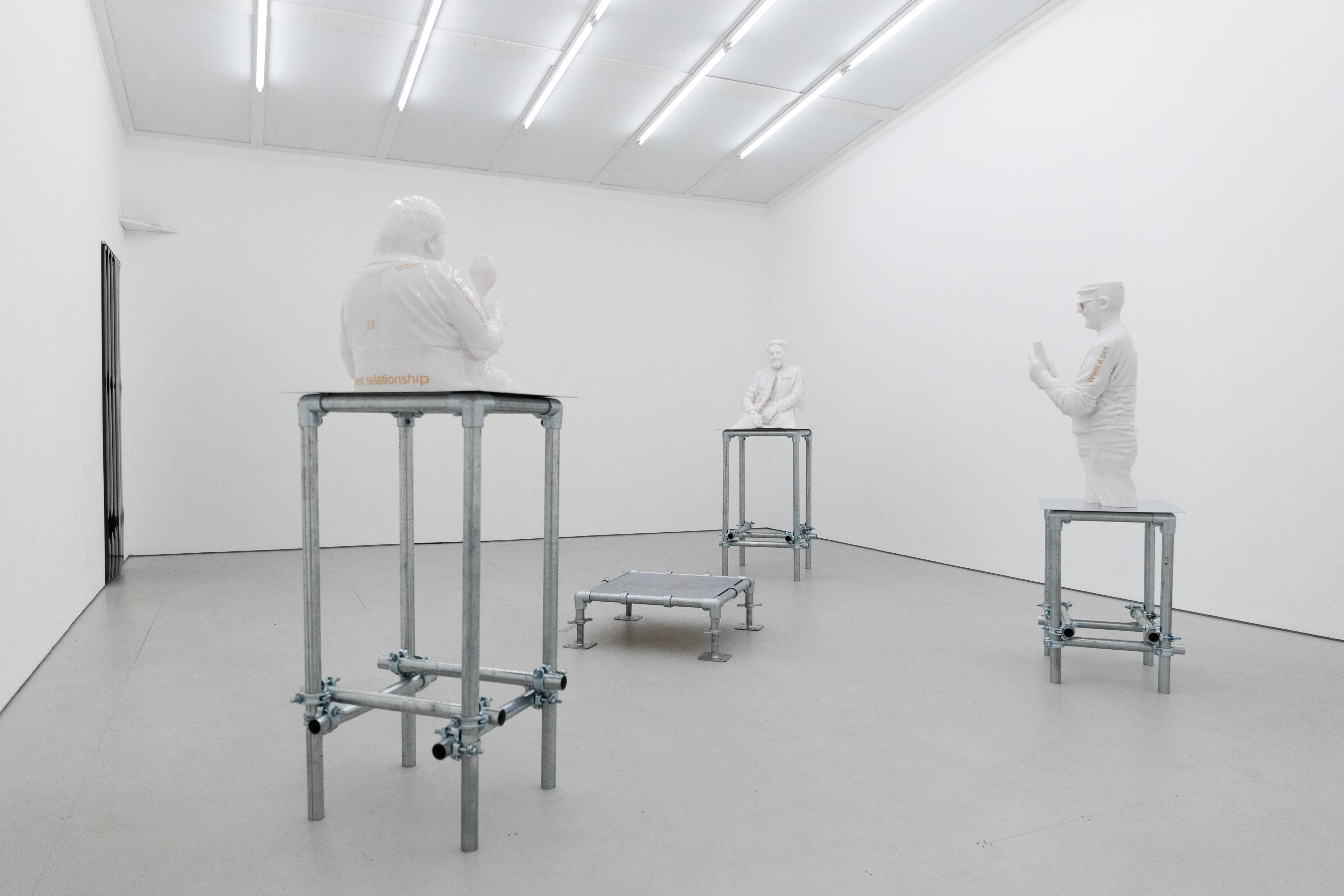
In this work, I transform photographs from dating apps into sculptural forms using AI and 3D printing. This process is not one of faithful reproduction, but of translation. Photography’s fixed framing, single viewpoint, and flatness are dismantled through sculptural transformation, allowing multiple viewpoints and bodily distance to emerge. AI intervenes as a translator, filling in what is missing, embedding algorithmic perspectives and cultural bias into the resulting forms.
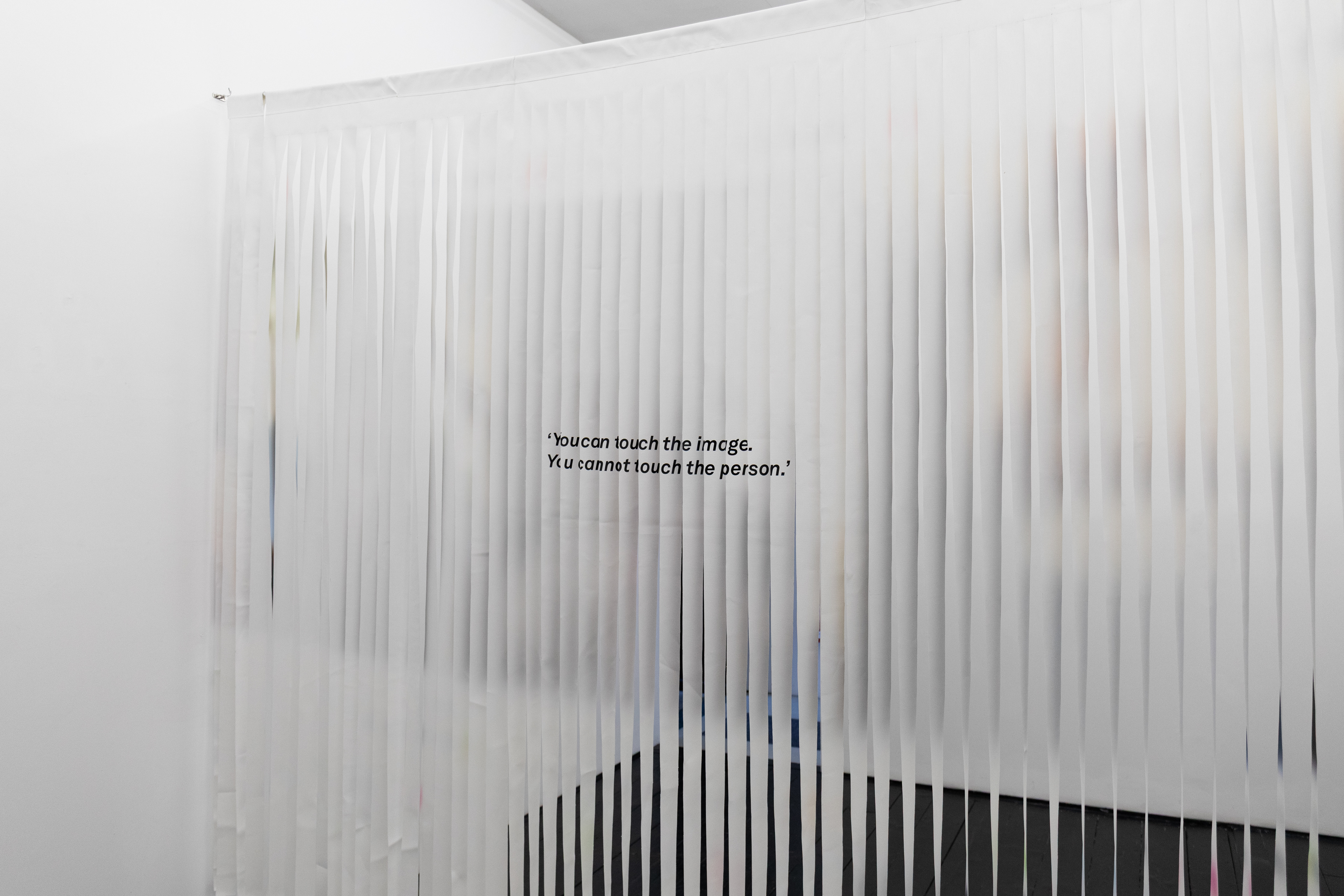
Photography is a medium that makes absent people appear present. When these images are materialised as sculptures, their deception becomes more pronounced. The viewer can touch them, yet they remain fundamentally detached from the actual person. This unresolved gap exposes photography’s lack of materiality and its separation from the body.
These sculptures embody the contradictions of dating apps — diversity and uniformity, connection and disconnection, desire and emptiness. While they occupy physical space, no authentic “person” is present. What remains are traces of bodies constructed by desire, filtered through images, and translated by technology.
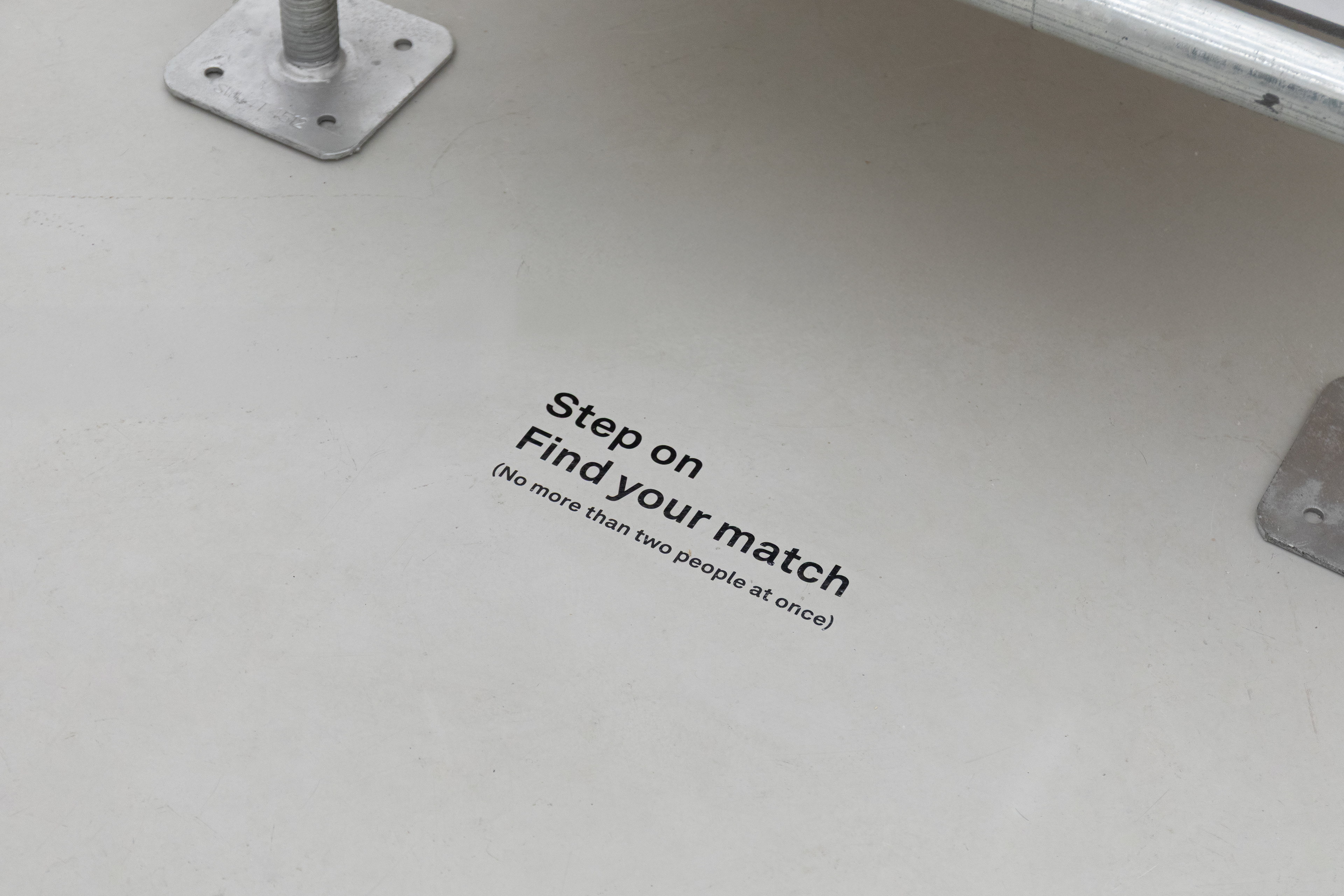
By bringing images into physical space, this work exposes the tension between reality and fiction, body and information. Ultimately, these sculptures reflect our own persistent longing — to touch, to feel — within an image-saturated world.
テクノロジーの発展により、私たちはオンライン上で他者と容易につながり、コミュニケーションを取り、欲望をある程度満たすことができるようになった。しかしそれでもなお、対面での接触や身体的なつながりへの欲求は失われていない。むしろそれは、満たされないまま蓄積され続けているようにも思える。
「他者とつながりたい」「触れたい」「感じたい」という根源的な欲求の行き先として、私たちはマッチングアプリを使う。
マッチングアプリ上で私たちが出会うのは、他者そのものではなく、写真や言葉といったイメージと情報である。そこから私たちは相手を想像し、関係性を期待するが、オンラインで得られるものは彼ら本人ではない。写真は他者を提示するためのインフラとして機能する一方で、それ自体は断片的な情報の集合にすぎず、何も説明してはくれない。オンラインと現実のあいだには、常に埋めがたいギャップが横たわっている。
マッチングアプリは一見すると、多様性に満ちた場として現れる。年齢、人種、性別、性指向性といった属性が可視化され、異なる文化的背景や場所性を持つ人々が、同じインターフェース上に並置される。地域によって異なる顔立ちやアイコン、服装、写真の撮られ方は、グローバルなプラットフォームの内部にローカルな文化や社会性が折り重なっていることを示している。
しかしその多様性は、同時に強い均質化と序列化を伴う。マッチングアプリにおいて他者は、まず視覚情報によって瞬時に判断される存在であり、ルッキズムが前提として組み込まれている。スワイプという行為は、見る/見ない、選ぶ/捨てるという単純化された判断を繰り返す身体的ジェスチャーであり、複雑な人格や文脈は、写真一枚の印象へと圧縮されていく。
そこで提示される写真の多くは、「その人自身」というよりも、「見せたい自分」「選ばれるための自分」である。加工された肌、演出されたポーズ、切り取られた生活の断片——それらは現実の身体や日常から乖離しながらも、イメージとしては過剰に魅力的に構築されている。マッチングアプリ上に広がる世界は、現実の延長でありながら、同時に架空で、盛られた世界でもある。
本作では、そうしたマッチングアプリ上の写真をAIによって三次元データへと変換し、3Dプリンターを用いて彫刻として出力している。このプロセスは、写真を忠実に再現することではなく、イメージを翻訳し、解釈として転写する行為である。写真が本来持っている「見る主体=撮影者」によって構築された視線、固定されたフレーミング、そして平面性は、彫刻化によって解体され、複数の視点と身体的な距離を伴って立ち現れる。
AIは写真に写っていない部分を補完し、推測し、立体として立ち上げるが、その身体は決して完全なものではない。そこにはアルゴリズム的な視点や文化的バイアス、視覚情報に依存した解釈の恣意性が刻み込まれる。多様であるはずの身体は、翻訳の過程で歪み、単純化され、ときにどこか似通った存在として現れる。このとき彫刻は、写真の「真実性」や中立性を解体し、イメージが常に変換され続ける人工物であることを示す。
写真は本来、「そこにいない人」をあたかも「いるかのように」見せる装置である。彫刻化によって不在のイメージが空間を占有するとき、その欺瞞性はより強く露呈する。触れることはできるが、それは決して本人ではない。ここには、「触れたい」という欲望が一時的に満たされながらも、決して回収されないという二重のズレが存在する。このズレこそが、写真の非物質性や、身体を欠いたイメージの構造を浮かび上がらせる。
こうして生まれた彫刻は、多様性と均質化、個別性とテンプレート化、接続と断絶という、マッチングアプリが内包する矛盾を物質として引き受ける。鑑賞者はそれらを回り込み、距離を取り、触れることさえできるが、そこに確かな「その人」は存在しない。残されているのは、欲望によって構築され、視覚によって選別され、テクノロジーによって変換された身体の痕跡だけである。
マッチングアプリは、他者と出会うための装置であると同時に、自己の欲望や価値観を映し返す鏡でもある。私たちは他者を見ているつもりで、実際には「何を美しいと感じるのか」「何を求めているのか」という自分自身の感情や判断基準を見ているにすぎない。本作は、イメージ世界の中で確かさを求め続ける人間の姿を、彫刻という重く逃れがたいメディアによって空間に固定する試みである。
イメージをこちら側へ引き寄せ、触れられるものへと変換することで、現実と虚構、身体と情報、そのあいだに生じる矛盾や空虚さを露わにする。
それでもなお「触れたい・感じたい」と願う私たち自身の姿が、この彫刻の中に立ち上がっている。